Buy thinksite.eu ?
We are moving the project
thinksite.eu .
Are you interested in purchasing the domain
thinksite.eu ?
domain@kv-gmbh.de · 0541-91531010
Buy thinksite.eu ?
What is a geostationary satellite physics task?
A geostationary satellite physics task involves calculating the necessary parameters for placing a satellite in geostationary orbit, such as the altitude, velocity, and orbital period. This task requires an understanding of the gravitational forces acting on the satellite, as well as the concept of geostationary orbit, where the satellite orbits the Earth at the same rate as the Earth's rotation, appearing stationary relative to a fixed point on the Earth's surface. Additionally, the task may involve determining the communication and observational capabilities of the satellite once in geostationary orbit. **
How do you calculate a geostationary satellite?
To calculate the orbit of a geostationary satellite, you would first need to determine the altitude at which the satellite needs to orbit in order to maintain a fixed position relative to the Earth's surface. This altitude is approximately 35,786 kilometers above the equator. Then, you would calculate the satellite's orbital period, which is the time it takes to complete one orbit around the Earth. This can be found using Kepler's third law, which relates the orbital period to the satellite's altitude. Finally, you would calculate the satellite's velocity using the formula for orbital velocity, which takes into account the gravitational pull of the Earth. **

Similar search terms for Geostationary
Top-Angebote
Products related to Geostationary:
-
Mason Cash Innovative Kitchen Lasagne DishThe Mason Cash Innovative Kitchen Lasagne Dish is made from stoneware which provides gradual and even heat distribution. A vented base also ensures optimal heat distribution whilst right angled corners and precision sizing accommodate most lasagne sheets without the need to break them down. Steep sides allow for higher layering and help distribute heat evenly. Mason Cash ovenware classics have been given the Innovative Kitchen treatment in this range. Carefully selected materials with innovative features that improve their performance for tastier results. The Mason Cash Innovative Kitchen Lasagne Dish measures H 7.3cm x W 31.5cm x D 20.5cm with a capacity of 2.5 litres.16,10 £*Shipping: 3,50 £Secure redirect to the provider
-
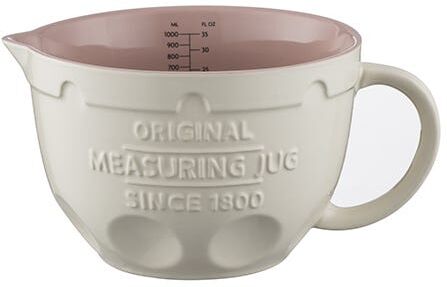
Mason Cash Innovative Kitchen 1L Measuring JugThe Mason Cash Innovative kitchen 1 litre measuring jug is a must have in the kitchen for baking large batches of ingredients. The stoneware bowl has a large handle providing a good grip when mixing the contents. The bowl features indentations on the exterior, which provides extra support when the bowl is tilted at an angle. The inside of the measuring bowl shows measurements in both millilitres and fluid ounces. Suitable for use in the microwave and dishwasher safe for easy and convenient cleaning, the measuring bowl is part of a matching collection.17,85 £*Shipping: 3,50 £Secure redirect to the provider
-
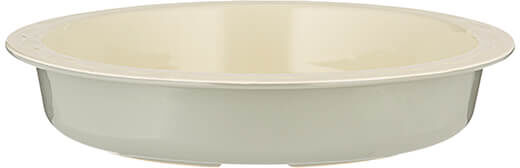
Mason Cash Innovative Kitchen 29cm Pie DishThe Mason Cash Innovative Kitchen Pie Dish is made from stoneware which provides gradual and even heat distribution. A vented base also ensures optimal heat distribution as do the steep sides of the dish. An embossed interior provides easy pastry release whilst the pastry anchor prevents pastry slumping. Mason Cash ovenware classics have been given the Innovative Kitchen treatment in this range. Carefully selected materials with innovative features that improve their performance for tastier results. The Mason Cash Innovative Kitchen Pie Dish measures H 5.5cm x W 28cm x D 28cm with a capacity of 2 litres.15,05 £*Shipping: 3,50 £Secure redirect to the provider
-
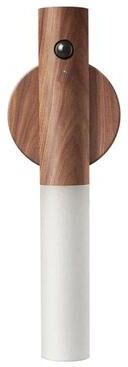
Uplifted Finds Creative Intelligent Wooden Motion Sensor Rechargeable Magnetic Wall Light style ATake absolute control of your structural interior real estate and establish flawless architectural accenting across your boundaries with this premium creative intelligent wooden motion sensor rechargeable magnetic wall light. Masterfully engineered...103,97 $*Shipping: 0,00 $Secure redirect to the provider

-
Why do geostationary satellites need to be directly above the equator?
Geostationary satellites need to be directly above the equator because they orbit the Earth at the same rate that the Earth rotates on its axis. This allows the satellite to remain in a fixed position relative to the Earth's surface, making it ideal for communication and weather monitoring purposes. Being directly above the equator ensures that the satellite's orbit is aligned with the Earth's rotation, allowing it to maintain a constant position over a specific point on the equator. **
-
How do you calculate the orbital radius of a geostationary satellite?
The orbital radius of a geostationary satellite can be calculated using the formula for the radius of a circular orbit, which is given by: r = √(G*M*T^2 / 4π^2) Where: r = orbital radius G = gravitational constant (6.674 × 10^-11 N m^2/kg^2) M = mass of the Earth (5.972 × 10^24 kg) T = orbital period of the satellite (24 hours for a geostationary satellite) By plugging in the values for G, M, and T into the formula, you can calculate the orbital radius of a geostationary satellite. **
-
How high is the energy of a geostationary satellite compared to Earth?
The energy of a geostationary satellite is higher than that of Earth due to its higher altitude and velocity. Geostationary satellites orbit at an altitude of approximately 35,786 kilometers above the Earth's surface, which requires a significant amount of energy to maintain. Additionally, these satellites must travel at a speed that matches the rotation of the Earth, further increasing their energy compared to objects on the Earth's surface. **
-
Why do geostationary satellites fly at an altitude of around 36,000 kilometers?
Geostationary satellites are placed at an altitude of around 36,000 kilometers because at this height, their orbital period matches the Earth's rotation period. This allows them to remain fixed relative to a specific point on the Earth's surface, making them ideal for communication and weather monitoring purposes. Additionally, at this altitude, geostationary satellites have a wider coverage area and can maintain a constant line of sight with ground stations. **


Why do geostationary satellites fly at an altitude of approximately 36,000 km?
Geostationary satellites are placed at an altitude of approximately 36,000 km because at this height, their orbital period matches the Earth's rotation period, allowing them to remain fixed relative to a specific point on the Earth's surface. This stationary position is ideal for applications such as communication and weather monitoring, as the satellite can maintain constant contact with a specific location on the ground. Additionally, the higher altitude provides a wider coverage area for the satellite's signals. **
Why do geostationary satellites orbit at an altitude of around 36,000 kilometers?
Geostationary satellites orbit at an altitude of around 36,000 kilometers because at this height, their orbital period matches the rotation period of the Earth. This allows them to remain fixed relative to a specific point on the Earth's surface, making them ideal for applications such as communication and weather monitoring. Additionally, at this altitude, the satellites experience less gravitational pull, which helps to conserve fuel and extend their operational lifespan. **
Top-Angebote
Products related to Geostationary:
-
StayWell Innovative Anti Fungal Laser Pen With Cutting Edge Fungal Infections Removal And Safe for Skin Technology Innovative Anti Fungal Laser Pen With Cutting Edge Fungal Infections Removal And Safe for Skin TechnologyDo you avoid going barefoot or wearing sandals because of your unsightly nails If so, our AntiFungal Laser Pen is the solution you've been looking for. Our laser pen combines the power of the infrared pulsed laser and blue light to exterminate...20,97 $*Shipping: 0,00 $Secure redirect to the provider
-
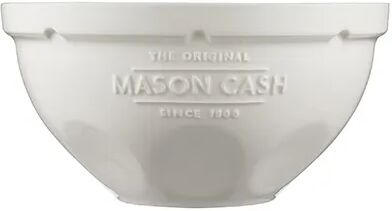
Mason Cash Innovative Kitchen Mixing BowlThis Mason Cash mixing bowl has a capacity of 4 litres and features tilt support in the design and shape of the bowl. As the bowl is tilted, the indents in the outer surface of the bowl provided angled support when mixing and beating the contents of the bowl. The bowl is made from stoneware and is finished with a durable and hard wearing glaze. The Mason Cash mixing bowl is suitable for warming food in the microwave and is dishwasher safe for easy and convenient cleaning.24,50 £*Shipping: 3,50 £Secure redirect to the provider
-
Mason Cash Innovative Kitchen Lasagne DishThe Mason Cash Innovative Kitchen Lasagne Dish is made from stoneware which provides gradual and even heat distribution. A vented base also ensures optimal heat distribution whilst right angled corners and precision sizing accommodate most lasagne sheets without the need to break them down. Steep sides allow for higher layering and help distribute heat evenly. Mason Cash ovenware classics have been given the Innovative Kitchen treatment in this range. Carefully selected materials with innovative features that improve their performance for tastier results. The Mason Cash Innovative Kitchen Lasagne Dish measures H 7.3cm x W 31.5cm x D 20.5cm with a capacity of 2.5 litres.16,10 £*Shipping: 3,50 £Secure redirect to the provider
-
Mason Cash Innovative Kitchen 1L Measuring JugThe Mason Cash Innovative kitchen 1 litre measuring jug is a must have in the kitchen for baking large batches of ingredients. The stoneware bowl has a large handle providing a good grip when mixing the contents. The bowl features indentations on the exterior, which provides extra support when the bowl is tilted at an angle. The inside of the measuring bowl shows measurements in both millilitres and fluid ounces. Suitable for use in the microwave and dishwasher safe for easy and convenient cleaning, the measuring bowl is part of a matching collection.17,85 £*Shipping: 3,50 £Secure redirect to the provider
-
What is a geostationary satellite physics task?
A geostationary satellite physics task involves calculating the necessary parameters for placing a satellite in geostationary orbit, such as the altitude, velocity, and orbital period. This task requires an understanding of the gravitational forces acting on the satellite, as well as the concept of geostationary orbit, where the satellite orbits the Earth at the same rate as the Earth's rotation, appearing stationary relative to a fixed point on the Earth's surface. Additionally, the task may involve determining the communication and observational capabilities of the satellite once in geostationary orbit. **
-
How do you calculate a geostationary satellite?
To calculate the orbit of a geostationary satellite, you would first need to determine the altitude at which the satellite needs to orbit in order to maintain a fixed position relative to the Earth's surface. This altitude is approximately 35,786 kilometers above the equator. Then, you would calculate the satellite's orbital period, which is the time it takes to complete one orbit around the Earth. This can be found using Kepler's third law, which relates the orbital period to the satellite's altitude. Finally, you would calculate the satellite's velocity using the formula for orbital velocity, which takes into account the gravitational pull of the Earth. **
-
Why do geostationary satellites need to be directly above the equator?
Geostationary satellites need to be directly above the equator because they orbit the Earth at the same rate that the Earth rotates on its axis. This allows the satellite to remain in a fixed position relative to the Earth's surface, making it ideal for communication and weather monitoring purposes. Being directly above the equator ensures that the satellite's orbit is aligned with the Earth's rotation, allowing it to maintain a constant position over a specific point on the equator. **
-
How do you calculate the orbital radius of a geostationary satellite?
The orbital radius of a geostationary satellite can be calculated using the formula for the radius of a circular orbit, which is given by: r = √(G*M*T^2 / 4π^2) Where: r = orbital radius G = gravitational constant (6.674 × 10^-11 N m^2/kg^2) M = mass of the Earth (5.972 × 10^24 kg) T = orbital period of the satellite (24 hours for a geostationary satellite) By plugging in the values for G, M, and T into the formula, you can calculate the orbital radius of a geostationary satellite. **
Similar search terms for Geostationary
-
Mason Cash Innovative Kitchen 29cm Pie DishThe Mason Cash Innovative Kitchen Pie Dish is made from stoneware which provides gradual and even heat distribution. A vented base also ensures optimal heat distribution as do the steep sides of the dish. An embossed interior provides easy pastry release whilst the pastry anchor prevents pastry slumping. Mason Cash ovenware classics have been given the Innovative Kitchen treatment in this range. Carefully selected materials with innovative features that improve their performance for tastier results. The Mason Cash Innovative Kitchen Pie Dish measures H 5.5cm x W 28cm x D 28cm with a capacity of 2 litres.15,05 £*Shipping: 3,50 £Secure redirect to the provider
-
Uplifted Finds Creative Intelligent Wooden Motion Sensor Rechargeable Magnetic Wall Light style ATake absolute control of your structural interior real estate and establish flawless architectural accenting across your boundaries with this premium creative intelligent wooden motion sensor rechargeable magnetic wall light. Masterfully engineered...103,97 $*Shipping: 0,00 $Secure redirect to the provider
-
All Categories Goods DIY Glass Bottle Cutter Kit, Craft Recycle Tools For Beer, Wine Jars, And Creative Cutting Machine DIY Glass Bottle Cutter Kit, Craft Recycle Tools For Beer, Wine Jars, And Creative Cutting MachineTransform your empty beer, wine bottles, and jars into beautiful, ecofriendly creations with the 1 pc of Glass Bottle Cutter Kit. Whether you're into DIY crafts or looking for a fun recycling project, this DIY Cutting Machine is your perfect tool....49,97 $*Shipping: 0,00 $Secure redirect to the provider
-
Uplifted Finds Creative Intelligent Wooden Motion Sensor Rechargeable Magnetic Wall Light white LightTake absolute control of your structural interior real estate and establish flawless architectural accenting across your boundaries with this premium creative intelligent wooden motion sensor rechargeable magnetic wall light. Masterfully engineered...53,97 $*Shipping: 0,00 $Secure redirect to the provider
-
How high is the energy of a geostationary satellite compared to Earth?
The energy of a geostationary satellite is higher than that of Earth due to its higher altitude and velocity. Geostationary satellites orbit at an altitude of approximately 35,786 kilometers above the Earth's surface, which requires a significant amount of energy to maintain. Additionally, these satellites must travel at a speed that matches the rotation of the Earth, further increasing their energy compared to objects on the Earth's surface. **
-
Why do geostationary satellites fly at an altitude of around 36,000 kilometers?
Geostationary satellites are placed at an altitude of around 36,000 kilometers because at this height, their orbital period matches the Earth's rotation period. This allows them to remain fixed relative to a specific point on the Earth's surface, making them ideal for communication and weather monitoring purposes. Additionally, at this altitude, geostationary satellites have a wider coverage area and can maintain a constant line of sight with ground stations. **
-
Why do geostationary satellites fly at an altitude of approximately 36,000 km?
Geostationary satellites are placed at an altitude of approximately 36,000 km because at this height, their orbital period matches the Earth's rotation period, allowing them to remain fixed relative to a specific point on the Earth's surface. This stationary position is ideal for applications such as communication and weather monitoring, as the satellite can maintain constant contact with a specific location on the ground. Additionally, the higher altitude provides a wider coverage area for the satellite's signals. **
-
Why do geostationary satellites orbit at an altitude of around 36,000 kilometers?
Geostationary satellites orbit at an altitude of around 36,000 kilometers because at this height, their orbital period matches the rotation period of the Earth. This allows them to remain fixed relative to a specific point on the Earth's surface, making them ideal for applications such as communication and weather monitoring. Additionally, at this altitude, the satellites experience less gravitational pull, which helps to conserve fuel and extend their operational lifespan. **
* All prices are inclusive of VAT and, if applicable, plus shipping costs. The offer information is based on the details provided by the respective shop and is updated through automated processes. Real-time updates do not occur, so deviations can occur in individual cases. ** Note: Parts of this content were created by AI.