Buy thinksite.eu ?
We are moving the project
thinksite.eu .
Are you interested in purchasing the domain
thinksite.eu ?
domain@kv-gmbh.de · 0541-91531010
Buy thinksite.eu ?
What are alcohols?
Alcohols are a class of organic compounds that contain a hydroxyl group (-OH) attached to a carbon atom. They are characterized by their ability to dissolve in water and their distinct smell and taste. Alcohols can be classified based on the number of carbon atoms bonded to the carbon atom with the hydroxyl group, such as methanol, ethanol, and isopropanol. They are commonly used as solvents, disinfectants, and in alcoholic beverages. **
Are polyhydric alcohols the same as, for example, secondary alcohols?
No, polyhydric alcohols and secondary alcohols are not the same. Polyhydric alcohols are alcohols that contain more than one hydroxyl (-OH) group in their structure, such as glycerol or ethylene glycol. Secondary alcohols, on the other hand, are a specific type of alcohol where the carbon atom bearing the hydroxyl group is bonded to two other carbon atoms. Examples of secondary alcohols include isopropanol and 2-butanol. Therefore, while polyhydric alcohols refer to the presence of multiple hydroxyl groups, secondary alcohols refer to the specific structure of the carbon atom bonded to the hydroxyl group. **


Similar search terms for Alcohols
Top-Angebote
Products related to Alcohols:
-
All Categories Goods DIY Glass Bottle Cutter Kit, Craft Recycle Tools For Beer, Wine Jars, And Creative Cutting Machine DIY Glass Bottle Cutter Kit, Craft Recycle Tools For Beer, Wine Jars, And Creative Cutting MachineTransform your empty beer, wine bottles, and jars into beautiful, ecofriendly creations with the 1 pc of Glass Bottle Cutter Kit. Whether you're into DIY crafts or looking for a fun recycling project, this DIY Cutting Machine is your perfect tool....49,97 $*Shipping: 0,00 $Secure redirect to the provider
-
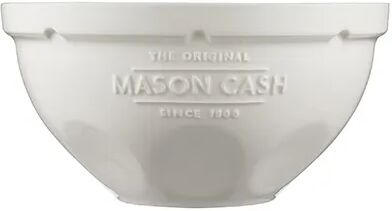
Mason Cash Innovative Kitchen Mixing BowlThis Mason Cash mixing bowl has a capacity of 4 litres and features tilt support in the design and shape of the bowl. As the bowl is tilted, the indents in the outer surface of the bowl provided angled support when mixing and beating the contents of the bowl. The bowl is made from stoneware and is finished with a durable and hard wearing glaze. The Mason Cash mixing bowl is suitable for warming food in the microwave and is dishwasher safe for easy and convenient cleaning.24,50 £*Shipping: 3,50 £Secure redirect to the provider
-
Mason Cash Innovative Kitchen Lasagne DishThe Mason Cash Innovative Kitchen Lasagne Dish is made from stoneware which provides gradual and even heat distribution. A vented base also ensures optimal heat distribution whilst right angled corners and precision sizing accommodate most lasagne sheets without the need to break them down. Steep sides allow for higher layering and help distribute heat evenly. Mason Cash ovenware classics have been given the Innovative Kitchen treatment in this range. Carefully selected materials with innovative features that improve their performance for tastier results. The Mason Cash Innovative Kitchen Lasagne Dish measures H 7.3cm x W 31.5cm x D 20.5cm with a capacity of 2.5 litres.16,10 £*Shipping: 3,50 £Secure redirect to the provider
-
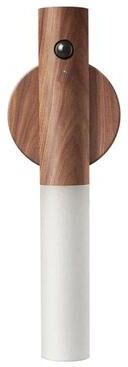
Uplifted Finds Creative Intelligent Wooden Motion Sensor Rechargeable Magnetic Wall Light style ATake absolute control of your structural interior real estate and establish flawless architectural accenting across your boundaries with this premium creative intelligent wooden motion sensor rechargeable magnetic wall light. Masterfully engineered...103,97 $*Shipping: 0,00 $Secure redirect to the provider


-
What are monohydric alcohols?
Monohydric alcohols are organic compounds that contain a single hydroxyl (-OH) group attached to a carbon atom. They are also known as primary alcohols. Monohydric alcohols can be found in various natural sources such as fruits, vegetables, and grains, and are also commonly used in the production of alcoholic beverages, solvents, and as fuel additives. Examples of monohydric alcohols include methanol, ethanol, and propanol. **
-
Are all alcohols lipophilic?
Yes, all alcohols are lipophilic, meaning they are attracted to and soluble in lipids or fats. This is because alcohols have a hydrophobic (water-repelling) portion, which allows them to interact with and dissolve in non-polar substances like lipids. This property makes alcohols useful in a variety of applications, including as solvents in the pharmaceutical and cosmetic industries. **
-
'It's about alcohols in chemistry.'
Alcohols are a class of organic compounds that contain a hydroxyl group (-OH) bonded to a carbon atom. They are commonly used as solvents, disinfectants, and in the production of various chemicals. Alcohols can be classified as primary, secondary, or tertiary based on the number of carbon atoms bonded to the carbon atom bearing the hydroxyl group. They also undergo various chemical reactions, such as oxidation to form aldehydes or ketones, and esterification to form esters. **
-
Which alcohols can you drink?
You can drink alcohols that are safe for human consumption, such as beer, wine, and spirits. It's important to drink responsibly and in moderation, and to be aware of your own tolerance and any potential health risks. It's also important to be of legal drinking age in your country or region. Always consult with a healthcare professional if you have any concerns about alcohol consumption. **
What are alcohols in chemistry?
Alcohols are a class of organic compounds that contain a hydroxyl (-OH) functional group, which is a combination of a hydrogen atom and an oxygen atom bonded to a carbon atom. They are characterized by their ability to dissolve in water and their ability to undergo reactions such as oxidation and esterification. Alcohols can be classified as primary, secondary, or tertiary based on the number of carbon atoms bonded to the carbon atom bearing the hydroxyl group. They are commonly used as solvents, disinfectants, and in the production of various chemicals and consumer products. **
Why are primary and secondary alcohols not as reactive as tertiary alcohols in SN1 reactions?
Primary and secondary alcohols are not as reactive as tertiary alcohols in SN1 reactions because the rate-determining step in SN1 reactions involves the formation of a carbocation intermediate. Tertiary alcohols form more stable carbocation intermediates due to the presence of more alkyl groups, which stabilize the positive charge through hyperconjugation and inductive effects. In contrast, primary and secondary alcohols form less stable carbocation intermediates, making the reaction less favorable. As a result, tertiary alcohols undergo SN1 reactions more readily than primary and secondary alcohols. **
Top-Angebote
Products related to Alcohols:
-
StayWell Innovative Anti Fungal Laser Pen With Cutting Edge Fungal Infections Removal And Safe for Skin Technology Innovative Anti Fungal Laser Pen With Cutting Edge Fungal Infections Removal And Safe for Skin TechnologyDo you avoid going barefoot or wearing sandals because of your unsightly nails If so, our AntiFungal Laser Pen is the solution you've been looking for. Our laser pen combines the power of the infrared pulsed laser and blue light to exterminate...20,97 $*Shipping: 0,00 $Secure redirect to the provider
-
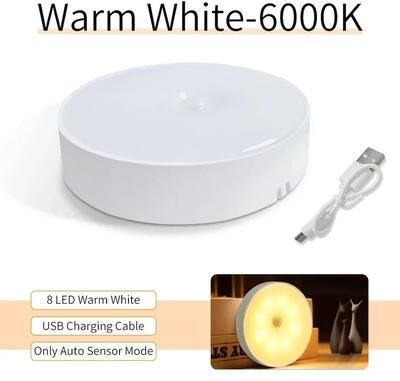
Uplifted Finds Creative Intelligent Wooden Motion Sensor Rechargeable Magnetic Wall Light white LightTake absolute control of your structural interior real estate and establish flawless architectural accenting across your boundaries with this premium creative intelligent wooden motion sensor rechargeable magnetic wall light. Masterfully engineered...53,97 $*Shipping: 0,00 $Secure redirect to the provider
-
All Categories Goods DIY Glass Bottle Cutter Kit, Craft Recycle Tools For Beer, Wine Jars, And Creative Cutting Machine DIY Glass Bottle Cutter Kit, Craft Recycle Tools For Beer, Wine Jars, And Creative Cutting MachineTransform your empty beer, wine bottles, and jars into beautiful, ecofriendly creations with the 1 pc of Glass Bottle Cutter Kit. Whether you're into DIY crafts or looking for a fun recycling project, this DIY Cutting Machine is your perfect tool....49,97 $*Shipping: 0,00 $Secure redirect to the provider
-
Mason Cash Innovative Kitchen Mixing BowlThis Mason Cash mixing bowl has a capacity of 4 litres and features tilt support in the design and shape of the bowl. As the bowl is tilted, the indents in the outer surface of the bowl provided angled support when mixing and beating the contents of the bowl. The bowl is made from stoneware and is finished with a durable and hard wearing glaze. The Mason Cash mixing bowl is suitable for warming food in the microwave and is dishwasher safe for easy and convenient cleaning.24,50 £*Shipping: 3,50 £Secure redirect to the provider
-
What are alcohols?
Alcohols are a class of organic compounds that contain a hydroxyl group (-OH) attached to a carbon atom. They are characterized by their ability to dissolve in water and their distinct smell and taste. Alcohols can be classified based on the number of carbon atoms bonded to the carbon atom with the hydroxyl group, such as methanol, ethanol, and isopropanol. They are commonly used as solvents, disinfectants, and in alcoholic beverages. **
-
Are polyhydric alcohols the same as, for example, secondary alcohols?
No, polyhydric alcohols and secondary alcohols are not the same. Polyhydric alcohols are alcohols that contain more than one hydroxyl (-OH) group in their structure, such as glycerol or ethylene glycol. Secondary alcohols, on the other hand, are a specific type of alcohol where the carbon atom bearing the hydroxyl group is bonded to two other carbon atoms. Examples of secondary alcohols include isopropanol and 2-butanol. Therefore, while polyhydric alcohols refer to the presence of multiple hydroxyl groups, secondary alcohols refer to the specific structure of the carbon atom bonded to the hydroxyl group. **
-
What are monohydric alcohols?
Monohydric alcohols are organic compounds that contain a single hydroxyl (-OH) group attached to a carbon atom. They are also known as primary alcohols. Monohydric alcohols can be found in various natural sources such as fruits, vegetables, and grains, and are also commonly used in the production of alcoholic beverages, solvents, and as fuel additives. Examples of monohydric alcohols include methanol, ethanol, and propanol. **
-
Are all alcohols lipophilic?
Yes, all alcohols are lipophilic, meaning they are attracted to and soluble in lipids or fats. This is because alcohols have a hydrophobic (water-repelling) portion, which allows them to interact with and dissolve in non-polar substances like lipids. This property makes alcohols useful in a variety of applications, including as solvents in the pharmaceutical and cosmetic industries. **
Similar search terms for Alcohols
-
Mason Cash Innovative Kitchen Lasagne DishThe Mason Cash Innovative Kitchen Lasagne Dish is made from stoneware which provides gradual and even heat distribution. A vented base also ensures optimal heat distribution whilst right angled corners and precision sizing accommodate most lasagne sheets without the need to break them down. Steep sides allow for higher layering and help distribute heat evenly. Mason Cash ovenware classics have been given the Innovative Kitchen treatment in this range. Carefully selected materials with innovative features that improve their performance for tastier results. The Mason Cash Innovative Kitchen Lasagne Dish measures H 7.3cm x W 31.5cm x D 20.5cm with a capacity of 2.5 litres.16,10 £*Shipping: 3,50 £Secure redirect to the provider
-
Uplifted Finds Creative Intelligent Wooden Motion Sensor Rechargeable Magnetic Wall Light style ATake absolute control of your structural interior real estate and establish flawless architectural accenting across your boundaries with this premium creative intelligent wooden motion sensor rechargeable magnetic wall light. Masterfully engineered...103,97 $*Shipping: 0,00 $Secure redirect to the provider
-
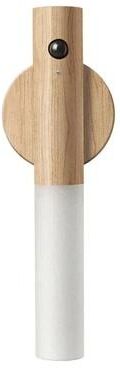
Uplifted Finds Creative Intelligent Wooden Motion Sensor Rechargeable Magnetic Wall Light style BTake absolute control of your structural interior real estate and establish flawless architectural accenting across your boundaries with this premium creative intelligent wooden motion sensor rechargeable magnetic wall light. Masterfully engineered...103,97 $*Shipping: 0,00 $Secure redirect to the provider
-
Uplifted Finds Creative Intelligent Wooden Motion Sensor Rechargeable Magnetic Wall Light warm LightTake absolute control of your structural interior real estate and establish flawless architectural accenting across your boundaries with this premium creative intelligent wooden motion sensor rechargeable magnetic wall light. Masterfully engineered...73,97 $*Shipping: 0,00 $Secure redirect to the provider
-
'It's about alcohols in chemistry.'
Alcohols are a class of organic compounds that contain a hydroxyl group (-OH) bonded to a carbon atom. They are commonly used as solvents, disinfectants, and in the production of various chemicals. Alcohols can be classified as primary, secondary, or tertiary based on the number of carbon atoms bonded to the carbon atom bearing the hydroxyl group. They also undergo various chemical reactions, such as oxidation to form aldehydes or ketones, and esterification to form esters. **
-
Which alcohols can you drink?
You can drink alcohols that are safe for human consumption, such as beer, wine, and spirits. It's important to drink responsibly and in moderation, and to be aware of your own tolerance and any potential health risks. It's also important to be of legal drinking age in your country or region. Always consult with a healthcare professional if you have any concerns about alcohol consumption. **
-
What are alcohols in chemistry?
Alcohols are a class of organic compounds that contain a hydroxyl (-OH) functional group, which is a combination of a hydrogen atom and an oxygen atom bonded to a carbon atom. They are characterized by their ability to dissolve in water and their ability to undergo reactions such as oxidation and esterification. Alcohols can be classified as primary, secondary, or tertiary based on the number of carbon atoms bonded to the carbon atom bearing the hydroxyl group. They are commonly used as solvents, disinfectants, and in the production of various chemicals and consumer products. **
-
Why are primary and secondary alcohols not as reactive as tertiary alcohols in SN1 reactions?
Primary and secondary alcohols are not as reactive as tertiary alcohols in SN1 reactions because the rate-determining step in SN1 reactions involves the formation of a carbocation intermediate. Tertiary alcohols form more stable carbocation intermediates due to the presence of more alkyl groups, which stabilize the positive charge through hyperconjugation and inductive effects. In contrast, primary and secondary alcohols form less stable carbocation intermediates, making the reaction less favorable. As a result, tertiary alcohols undergo SN1 reactions more readily than primary and secondary alcohols. **
* All prices are inclusive of VAT and, if applicable, plus shipping costs. The offer information is based on the details provided by the respective shop and is updated through automated processes. Real-time updates do not occur, so deviations can occur in individual cases. ** Note: Parts of this content were created by AI.